

What Are the Eco-Friendly Benefits of Using Wooden Kitchen Utensils
2025-12-24
In today's conscious kitchens, the choice of tools extends beyond function to footprint. For those seeking a sustainable and healthy cooking environment, Wooden Kitchen Utensils offer a compelling solution. At Jas, we champion the timeless elegance and ecological harmony of wood, crafting utensils that benefit both your home and the planet. This blog explores the significant eco-friendly advantages of making the switch to wood.
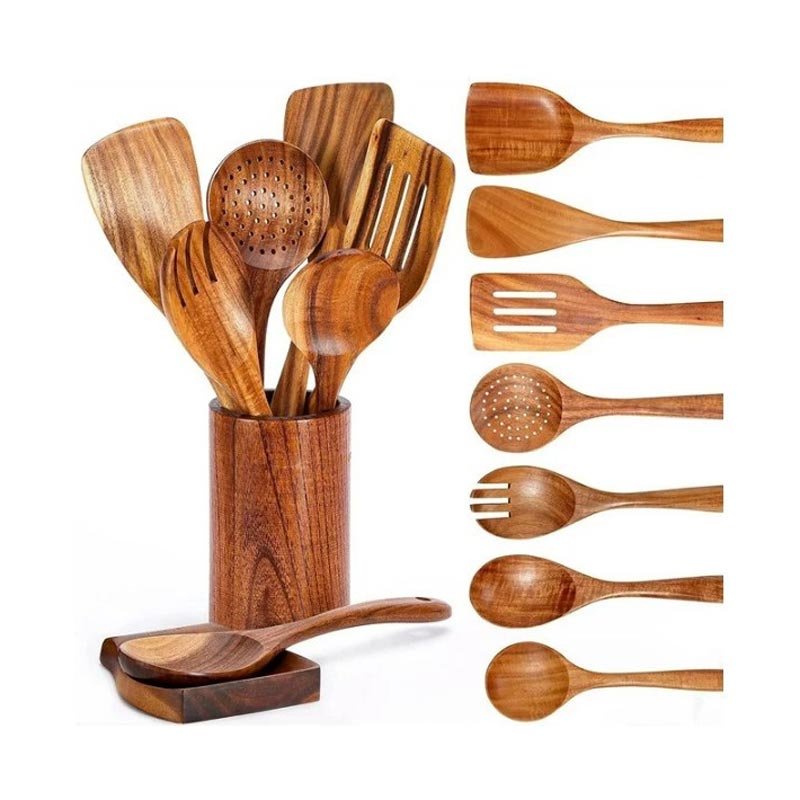
The Green Advantages of Wooden Utensils
Choosing Jas Wooden Kitchen Utensils contributes positively to the environment in several key ways:
-
Biodegradability & Renewability: Unlike plastic that persists for centuries, wood is a natural, biodegradable material. At the end of its long life, a wooden utensil can decompose naturally. Furthermore, Jas sources wood from responsibly managed forests, ensuring trees are replanted, making it a truly renewable resource.
-
Reduced Carbon Footprint: The production of wooden utensils, especially when crafted traditionally, generally requires less energy and generates fewer greenhouse gases compared to the industrial manufacturing of plastic or metal alternatives.
-
Durability & Waste Reduction: High-quality wooden utensils are incredibly durable and, with proper care, can last for generations. This longevity means fewer items end up in landfills, combating the disposable culture associated with cheap plastic tools.
-
Non-Toxic & Chemical-Free: Jas utensils are finished with natural oils, not harmful plastics or coatings. This means no risky chemicals like BPA can leach into your food, ensuring a safer cooking experience.
To clearly illustrate the environmental impact, consider this comparison:
| Material | Biodegradable? | Primary Eco-Concern | Average Lifespan |
|---|---|---|---|
| Wood (e.g., Jas Utensils) | Yes | None, if sourced responsibly | Decades |
| Plastic | No | Landfill persistence, microplastics | Months to a few years |
| Metal (Stainless Steel) | No (but recyclable) | High-energy production | Decades |
Wooden Kitchen Utensils FAQ
Q: How do I properly clean and maintain my Jas wooden utensils?
A: Hand wash them promptly with mild soap and warm water. Avoid soaking them or placing them in the dishwasher, as this can cause cracking. Dry them thoroughly and occasionally condition with a food-safe mineral oil or the Jas care balm to keep the wood nourished and prevent drying.
Q: Are wooden utensils like those from Jas safe for use with non-stick cookware?
A: Absolutely. In fact, Wooden Kitchen Utensils are the recommended choice for non-stick surfaces. They are gentle and will not scratch or damage the delicate coating, helping your cookware last longer while ensuring no plastic particles are scraped into your food.
Q: Can wooden utensils harbor bacteria compared to plastic?
A: Properly maintained wooden utensils have natural antimicrobial properties. The porous structure of wood can draw moisture in, trapping bacteria which then die off. Studies have shown that clean, dry wood surfaces can be more hygienic than plastic which develops deep scratches where bacteria thrive.
Embracing Wooden Kitchen Utensils is a simple yet powerful step towards a greener kitchen. Their natural beauty, minimal environmental impact, and enduring functionality make them an indispensable choice for the eco-aware cook. By choosing Jas, you invest in tools crafted with respect for nature and built to be part of your family’s story for years to come.
Ready to experience the perfect blend of sustainability and craftsmanship? Explore the full collection of premium, eco-friendly kitchen tools at Jas today. For any questions on care or sourcing, please do not hesitate to contact us.