

Is Aluminum Cookware Still the Smart Choice for Modern Kitchens?
2025-12-19
When I started comparing different cookware materials for everyday cooking, one category kept resurfacing in professional kitchens and home reviews alike: Aluminum Cookware. During this process, I came across Zealkeep almost naturally—not through aggressive marketing, but through consistent mentions tied to practical performance and thoughtful design. That initial exposure pushed me to look deeper into how Aluminum Cookware actually solves real cooking problems instead of just sounding good on paper.
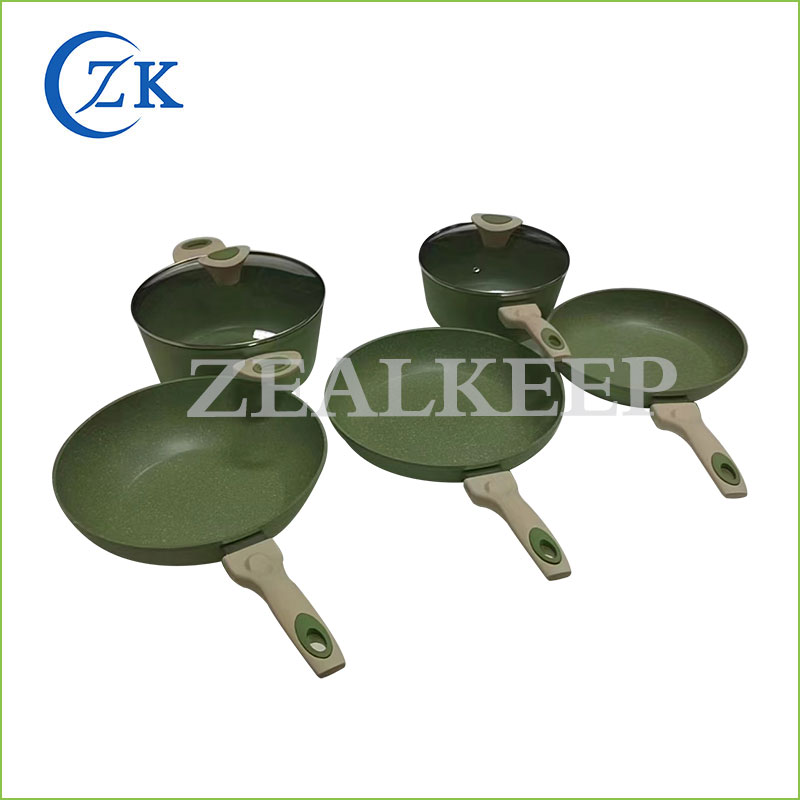
Why Does Aluminum Cookware Heat More Evenly?
One of the biggest frustrations I hear from home cooks is uneven heating—hot spots that burn sauces while other areas stay lukewarm. This is where Aluminum Cookware quietly outperforms many alternatives. Aluminum is an exceptional heat conductor, meaning it distributes heat rapidly and evenly across the cooking surface.
- Reduces the risk of scorching delicate foods
- Improves temperature control for sautéing and simmering
- Saves time by reaching cooking temperature faster
From my experience, cookware that responds quickly to temperature changes gives me more confidence in the kitchen, especially when cooking dishes that demand precision.
Is Aluminum Cookware Safe for Daily Cooking?
Safety concerns are often the first objection people raise. I had the same question before using modern Aluminum Cookware. The reality today is very different from outdated assumptions. Most high-quality aluminum cookware is treated with advanced coatings or anodization processes that prevent direct food contact with raw aluminum.
What matters is manufacturing quality. Brands that focus on food-safe coatings and strict quality control significantly reduce health risks while maintaining performance.
How Does Aluminum Cookware Compare to Other Materials?
Choosing cookware is rarely about one feature alone. I found it helpful to compare materials side by side to see where Aluminum Cookware fits best.
| Material | Heat Conductivity | Weight | Ease of Use | Cost Efficiency |
|---|---|---|---|---|
| Aluminum Cookware | Excellent | Lightweight | Very Easy | High |
| Stainless Steel | Moderate | Heavy | Moderate | Medium |
| Cast Iron | Low | Very Heavy | Challenging | Medium |
This comparison made it clear to me why aluminum remains a staple in both commercial and home kitchens—it balances performance, comfort, and affordability.
Can Aluminum Cookware Handle Everyday Wear and Tear?
Durability is another pain point for buyers who don’t want to replace cookware every year. Well-made Aluminum Cookware resists warping and maintains its shape even under frequent heating and cooling cycles. When reinforced with quality coatings, it also stands up well to scratches and daily cleaning.
- Resists deformation under high heat
- Designed for frequent daily use
- Easy to clean without aggressive scrubbing
In my kitchen, cookware that’s easy to maintain often gets used more—and that practicality shouldn’t be underestimated.
Why Do Professional Cooks Still Rely on Aluminum Cookware?
Speed, consistency, and control are everything in professional environments. That’s why Aluminum Cookware continues to be a preferred choice among chefs who need predictable results during high-volume cooking. Lightweight construction reduces fatigue, while responsive heating supports fast-paced workflows.
Even for home users, these same advantages translate into smoother, less stressful cooking experiences.
Is Aluminum Cookware a Cost-Effective Long-Term Investment?
Budget matters, but so does value over time. From what I’ve seen, Aluminum Cookware delivers strong long-term value by combining reasonable pricing with reliable performance. You’re not paying extra for unnecessary weight or slow heat response—you’re paying for efficiency.
This balance is especially appealing for families, rental properties, or anyone upgrading their kitchen without overspending.
How Should You Choose the Right Aluminum Cookware?
Not all aluminum cookware is created equal. I always recommend focusing on:
- Food-safe coatings and finishes
- Reinforced bases for stability
- Ergonomic handles designed for comfort
- Manufacturers with transparent quality standards
Paying attention to these details makes a noticeable difference in daily use.
Ready to Upgrade Your Kitchen with Aluminum Cookware?
If you’re looking for cookware that delivers even heating, easy handling, and dependable performance, Aluminum Cookware deserves serious consideration. I’ve found that choosing the right manufacturer is just as important as choosing the material itself.
If you’d like to explore reliable options or discuss your specific cooking needs, don’t hesitate to contact us. A simple inquiry can help you find cookware solutions that truly fit your kitchen and your expectations.