

How to Prevent Rust on Stainless Steel Pipe Kitchenware in Humid Climates
2026-07-27
Living in a humid environment brings many joys—lush greenery, mild winters, and fresh air—but for your kitchen tools, it can be a silent enemy. Even high-quality materials require proper care, and Kitchenware Stainless Steel Pipe products from Shuangsen are no exception. While stainless steel is celebrated for its corrosion resistance, humidity, salt air, and improper maintenance can still lead to unsightly rust spots. The good news? With the right knowledge and a few simple habits, you can keep your Kitchenware Stainless Steel Pipe items gleaming for decades.
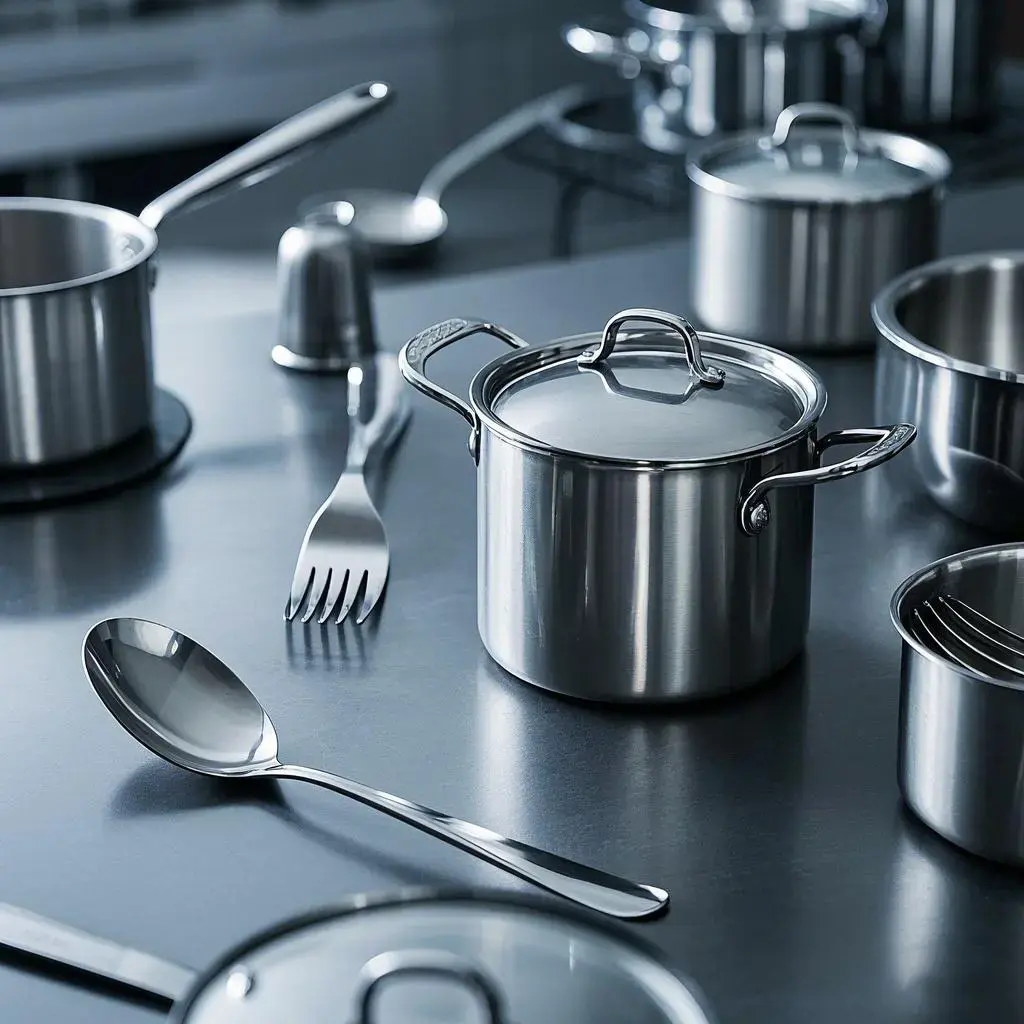
Why Rust Appears on Stainless Steel in Humid Conditions
Stainless steel resists rust because of its chromium content, which forms a passive oxide layer on the surface. However, in high humidity (above 70% RH), persistent moisture can break down this layer, especially if the surface has microscopic scratches, grease residues, or contact with acidic foods. Shuangsen uses premium-grade Kitchenware Stainless Steel Pipe with optimized chromium-nickel ratios, but even the best metallurgy needs user cooperation. The primary culprits are:
-
Prolonged wetness from washing and air-drying.
-
Chlorides from salt, cleaning agents, or coastal air.
-
Abrasive scouring pads that damage the protective film.
-
Food acids (tomato, lemon, vinegar) left to dry on the surface.
7 Practical Prevention Strategies
| Strategy | Action | Frequency |
|---|---|---|
| Immediate Drying | Wipe with a soft microfiber cloth after every wash. | After each use |
| Oil Barrier | Apply a food-grade mineral oil thin coat once a month. | Monthly |
| Salt Rinse | Rinse with fresh water after exposure to salty foods. | Immediately |
| Avoid Chlorine Bleach | Use oxygen-based or mild dish soap only. | Every wash |
| Scratch Prevention | Use nylon, bamboo, or silicone utensils with your Kitchenware Stainless Steel Pipe. | Always |
| Storage | Keep in ventilated, low-humidity cabinets with silica gel packs. | Ongoing |
| Passivation | Clean with a citric acid solution (10%) to rebuild oxide layer. | Every 3 months |
Maintenance Routine for Long-Term Performance
Daily: Hand-wash with warm water and mild detergent. Never leave your Kitchenware Stainless Steel Pipe soaking in the sink. Dry immediately—do not air-dry, as water droplets act as tiny lenses that concentrate impurities and accelerate localized corrosion.
Weekly: Inspect for tiny brown or orange spots. If found, make a paste of baking soda and water, gently rub with a soft sponge, rinse, and dry. For stubborn spots, a specialized stainless steel cleaner works wonders—Shuangsen recommends non-abrasive formulas.
Seasonal: Perform a passivation treatment. Mix 1 part citric acid powder with 9 parts warm water, soak the Kitchenware Stainless Steel Pipe for 20 minutes, rinse thoroughly, and dry. This restores the chromium oxide layer and removes embedded iron particles from the manufacturing process.
Choosing the Right Grade Matters
Not all stainless steels are equal in humid zones. Shuangsen primarily uses 304 (18/8) and 316 (marine-grade) for its Kitchenware Stainless Steel Pipe lines. Here’s a quick comparison:
| Grade | Chromium | Nickel | Molybdenum | Humidity Resistance | Best For |
|---|---|---|---|---|---|
| 304 | 18% | 8% | None | Good (indoor kitchens) | Handles, pots, racks |
| 316 | 16% | 10% | 2-3% | Excellent (coastal/humid) | High-end cookware, outdoor kitchenware |
For coastal cities or year-round tropical humidity, 316 offers superior pitting resistance. Always check the grade marking on your Kitchenware Stainless Steel Pipe before purchase.
Common Mistakes That Invite Rust
-
Using steel wool — leaves iron particles embedded that rust independently.
-
Dishwasher detergents with chlorides — they attack the passive layer aggressively.
-
Storing while slightly damp — even condensation from warm utensils can trigger spots.
-
Ignoring small scratches — they become initiation sites for crevice corrosion.
Shuangsen designs its Kitchenware Stainless Steel Pipe with smooth, electropolished surfaces to minimize such risks, but user habits remain the decisive factor.
FAQ — Frequently Asked Questions
Q1: Can rust on Kitchenware Stainless Steel Pipe be harmful if ingested in small amounts?
A: Surface rust (iron oxide) from Kitchenware Stainless Steel Pipe is not acutely toxic, but it can alter food taste and indicate compromised surface integrity. More importantly, rust pits harbor bacteria that are difficult to clean. While swallowing microscopic flakes occasionally poses low health risks, chronic exposure should be avoided. The real concern is that rust means the protective layer has failed, making the metal more susceptible to leaching nickel or chromium in acidic dishes. Shuangsen advises removing any visible rust immediately and passivating the surface. If pitting is deep (visible with a magnifying glass), replace the item to maintain food safety standards.
Q2: How often should I passivate my Kitchenware Stainless Steel Pipe in a humid climate?
A: For regions with average humidity above 75%, Shuangsen recommends passivation every 2 to 3 months for active-use items (pots, mixing bowls, and strainers). Passive items like shelves or handles can go 4–6 months. The frequency also depends on usage—if you frequently cook acidic dishes (tomato sauces, citrus marinades), increase to every 6–8 weeks. A simple test: after cleaning, drop a few water droplets on the surface. If they bead up and roll off, the passive layer is intact. If they spread flat or leave a dull stain, it is time for passivation. Always use food-safe citric acid—never industrial acids—and follow with a thorough fresh-water rinse and immediate drying.
Q3: Does polishing or buffing my Kitchenware Stainless Steel Pipe help prevent rust?
A: Yes, and Shuangsen strongly recommends periodic buffing. Polishing does two things: it removes microscopic surface irregularities where moisture condenses, and it compresses the outer metal layer, reducing porosity. A mirror-polished Kitchenware Stainless Steel Pipe surface has far fewer initiation points for corrosion compared to a matte or brushed finish—though brushed is also acceptable if maintained. Use a clean, soft wheel or a microfiber cloth with a stainless steel polishing compound (food-grade). Avoid over-polishing, as excessive heat from high-speed tools can alter the metallurgical structure. For most home users, a gentle hand-rub with a polishing paste every 2–3 months, combined with regular drying, yields excellent rust prevention results.
Final Checklist for Humid Climates
-
□
Dry every piece within 5 minutes of washing.
-
□
Store with desiccant packs in closed cabinets.
-
□
Use only non-chloride, non-abrasive cleaners.
-
□
Inspect monthly for early spots—treat immediately.
-
□
Choose 316 grade if you live within 5 km of the coast.
Contact Us
Protecting your Kitchenware Stainless Steel Pipe investment is straightforward once you understand the science behind it. At Shuangsen, we are committed to delivering premium metallurgy and practical guidance to our global customers. If you have specific questions about grade selection, custom fabrication, or maintenance plans for commercial kitchens, our team of materials specialists is ready to assist. Reach out to us today — visit our contact page, send an email to our support desk, or use the live chat on our website. We respond within 4 business hours and offer free consultations for bulk orders. Let Shuangsen help you keep your kitchenware pristine, no matter how humid your climate gets.