Choosing the right kitchen cookware can completely change the cooking experience in both home and commercial kitchens. From heat distribution and durability to food safety and maintenance, cookware directly affects cooking performance and long-term efficiency. This guide explains how to select the best kitchen cookware based on cooking style, materials, functionality, and budget while helping buyers avoid common purchasing mistakes.
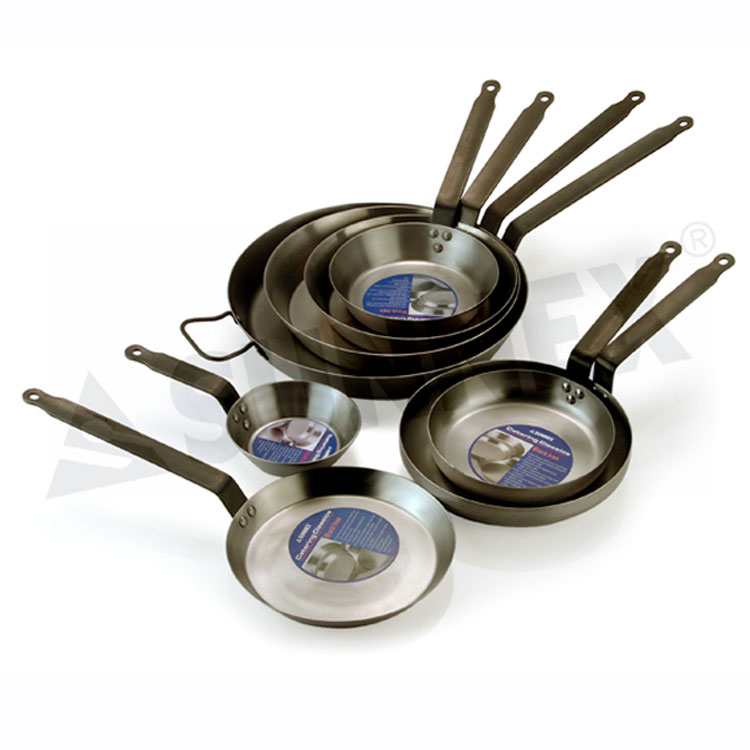
Why Quality Kitchen Cookware Matters
Kitchen cookware is more than just pots and pans. It is one of the most important investments in any kitchen because it directly affects cooking speed, food quality, energy efficiency, and safety.
Low-quality cookware often leads to uneven heating, food sticking, warping, and short product lifespan. In busy kitchens, poor cookware can also reduce productivity and increase replacement costs.
High-quality cookware provides:
-
Better heat conductivity
-
Improved cooking consistency
-
Longer durability
-
Enhanced food safety
-
Reduced maintenance requirements
-
Professional cooking performance
Whether for home use or professional catering operations, investing in reliable kitchen cookware improves efficiency and cooking satisfaction over time.
Types of Kitchen Cookware
Different cooking tasks require different cookware designs. Understanding the main cookware categories helps buyers create a practical and versatile kitchen setup.
|
Cookware Type
|
Primary Use
|
|
Saucepans
|
Boiling sauces, soups, and liquids
|
|
Frying Pans
|
Frying, sautéing, and searing
|
|
Stock Pots
|
Large-batch cooking and soup preparation
|
|
Woks
|
Stir-frying and high-heat cooking
|
|
Roasting Pans
|
Oven roasting and baking
|
|
Dutch Ovens
|
Slow cooking and braising
|
A well-balanced cookware collection should support daily cooking needs while maintaining durability under frequent use.
Best Materials for Kitchen Cookware
The material used in kitchen cookware determines heating performance, maintenance needs, and cooking versatility.
Stainless Steel
Stainless steel cookware is widely preferred because of its corrosion resistance, durability, and professional appearance. It is suitable for commercial kitchens and long-term daily cooking.
Aluminum
Aluminum cookware heats quickly and evenly. It is lightweight and energy efficient, making it suitable for fast-paced kitchens.
Cast Iron
Cast iron retains heat exceptionally well and is excellent for slow cooking and searing. However, it requires more maintenance than stainless steel.
Non-Stick Coating
Non-stick cookware simplifies cooking and cleaning, especially for delicate foods like eggs and fish. Buyers should select high-quality coatings for better durability.
Copper
Copper cookware offers outstanding heat responsiveness and precise temperature control. It is commonly used in professional culinary environments.
How to Choose the Right Cookware
Before purchasing kitchen cookware, buyers should evaluate several practical factors.
1. Cooking Style
Frequent frying requires durable frying pans, while soup preparation benefits from large stock pots.
2. Heat Compatibility
Ensure cookware works with gas, electric, ceramic, or induction cooktops.
3. Durability
Commercial kitchens require heavy-duty cookware capable of withstanding intensive daily use.
4. Cleaning Requirements
Dishwasher-safe cookware can reduce labor and maintenance time.
5. Handle Design
Heat-resistant ergonomic handles improve safety and comfort during cooking.
6. Lid Quality
Tight-fitting lids help preserve moisture and cooking efficiency.
Selecting cookware based on practical kitchen operations prevents unnecessary expenses and improves long-term satisfaction.
Cookware Material Comparison Table
|
Material
|
Heat Performance
|
Durability
|
Maintenance
|
|
Stainless Steel
|
Excellent
|
Very High
|
Easy
|
|
Aluminum
|
Very Good
|
Medium
|
Easy
|
|
Cast Iron
|
Excellent
|
Very High
|
Moderate
|
|
Copper
|
Outstanding
|
Medium
|
High
|
|
Non-Stick
|
Good
|
Medium
|
Very Easy
|
Common Mistakes Buyers Make
Many customers focus only on price when purchasing kitchen cookware. However, cheap cookware often leads to higher long-term replacement costs.
-
Ignoring cookware thickness and construction quality
-
Choosing cookware incompatible with induction cooktops
-
Buying incomplete cookware sets without essential items
-
Overlooking handle safety and comfort
-
Selecting cookware unsuitable for commercial workloads
-
Failing to consider cleaning and storage requirements
Understanding these issues helps buyers make smarter and more cost-effective purchasing decisions.
Cookware Maintenance Tips
Proper maintenance significantly extends cookware lifespan and preserves cooking performance.
-
Avoid overheating empty cookware
-
Use non-abrasive cleaning tools
-
Dry cookware completely after washing
-
Store cookware carefully to prevent scratches
-
Season cast iron cookware regularly
-
Follow manufacturer cleaning instructions
Routine maintenance reduces wear and improves food quality consistency over time.
Cookware for Commercial Kitchens
Restaurants, hotels, catering companies, and institutional kitchens require cookware designed for high-volume cooking environments.
Commercial kitchen cookware should offer:
-
Heavy-duty stainless steel construction
-
Fast and even heat distribution
-
Resistance to corrosion and warping
-
Easy sanitation and cleaning
-
Long-term operational reliability
Professional kitchens also benefit from cookware designed to maximize energy efficiency and reduce labor costs.
Why Many Buyers Choose Sunnex
Sunnex has become a recognized name in the foodservice and hospitality industry by offering durable and practical kitchen cookware solutions for both commercial and residential applications.
The company focuses on combining functional design, reliable material selection, and long-lasting performance to support modern kitchen operations.
Many professional buyers choose Sunnex cookware because of:
-
Reliable stainless steel craftsmanship
-
Professional-grade durability
-
Wide cookware product selection
-
Practical kitchen-focused designs
-
Suitable solutions for hospitality businesses
From restaurants to catering operations, quality cookware can directly improve kitchen workflow and cooking consistency.
FAQ
What is the best material for kitchen cookware?
Stainless steel is one of the most popular choices because it offers durability, corrosion resistance, and professional performance.
How long does quality cookware last?
High-quality cookware can last many years when properly maintained and cleaned according to manufacturer guidelines.
Is non-stick cookware safe?
Modern non-stick cookware is generally safe when used under recommended cooking temperatures and handled properly.
Why is cookware thickness important?
Thicker cookware distributes heat more evenly and reduces the risk of warping during cooking.
Can commercial cookware be used at home?
Yes. Many home cooks prefer commercial-grade cookware because of its superior durability and cooking performance.
Conclusion
Selecting the right kitchen cookware requires careful consideration of material quality, cooking habits, maintenance requirements, and long-term durability. Whether for home cooking or professional foodservice operations, investing in reliable cookware improves efficiency, food quality, and overall cooking experience.
Sunnex continues to provide dependable cookware solutions designed for modern kitchens and demanding culinary environments.
To explore more professional kitchen cookware products and find the right solution for your business or kitchen project, please contact us today.