

How Kitchen Wipes Solve Everyday Cleaning Challenges?
2026-02-05
Article Summary
Kitchen cleanliness directly affects food safety, household hygiene, and daily efficiency. Traditional cleaning methods often struggle with grease removal, cross-contamination, and time-consuming maintenance. Kitchen wipes have emerged as a practical solution, offering convenience, effectiveness, and hygiene control in both residential and commercial environments. This article explains how kitchen wipes address common cleaning pain points, how to choose the right type, and how they fit into modern kitchens with higher cleanliness standards.
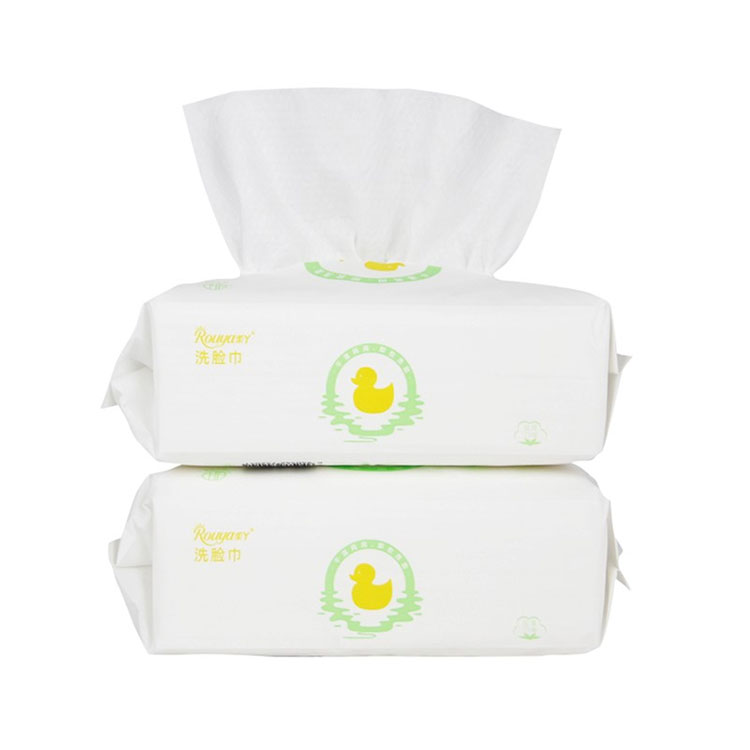
Table of Contents
- Article Outline
- Common Kitchen Cleaning Challenges
- What Are Kitchen Wipes?
- Key Benefits of Kitchen Wipes
- Kitchen Wipes vs Traditional Cleaning Tools
- How to Choose the Right Kitchen Wipes
- Typical Application Scenarios
- Hygiene and Safety Considerations
- Frequently Asked Questions
- Conclusion and Contact Information
Article Outline
- Understanding daily kitchen cleaning pain points
- Explaining what kitchen wipes are and how they work
- Analyzing functional and hygienic advantages
- Comparing wipes with conventional cleaning methods
- Guidance on selecting suitable kitchen wipes
- Answering common user questions
Common Kitchen Cleaning Challenges
Kitchens are high-frequency use areas where oil, water, food residue, and bacteria accumulate rapidly. Many users face recurring issues such as grease buildup on countertops, lingering odors, ineffective cloths spreading bacteria, and the inconvenience of constant washing and drying of reusable rags. In commercial kitchens, these challenges are amplified due to strict hygiene requirements and time constraints.
Traditional sponges and towels can retain moisture, becoming breeding grounds for bacteria. Paper towels, while disposable, often lack durability and absorbency when dealing with heavy grease or spills. These limitations create a demand for a more reliable and hygienic cleaning solution.
What Are Kitchen Wipes?
Kitchen wipes are purpose-designed disposable or semi-disposable cleaning materials made from nonwoven fabrics. They are engineered to provide strong absorbency, oil resistance, and surface compatibility. Unlike ordinary paper products, kitchen wipes are designed to trap dirt and grease efficiently without tearing easily.
Depending on their formulation, kitchen wipes can be dry or pre-moistened, suitable for wiping countertops, stoves, sinks, appliances, and dining surfaces. Many modern kitchen wipes emphasize lint-free performance and controlled liquid absorption.
Key Benefits of Kitchen Wipes
- Efficient grease removal: Nonwoven structures lift and lock in oil residue.
- Improved hygiene: Single-use design reduces cross-contamination risks.
- Time-saving: No washing or drying required after use.
- Surface compatibility: Suitable for stainless steel, glass, and sealed countertops.
- Consistent performance: Uniform thickness ensures reliable cleaning results.
Kitchen Wipes vs Traditional Cleaning Tools
| Cleaning Tool | Hygiene Level | Grease Handling | Maintenance Required |
|---|---|---|---|
| Reusable Cloth | Medium | Moderate | Frequent washing |
| Sponge | Low | Moderate | Regular replacement |
| Paper Towel | Medium | Low | None |
| Kitchen Wipes | High | High | None |
How to Choose the Right Kitchen Wipes
Selecting suitable kitchen wipes depends on usage frequency, surface types, and cleaning intensity. High-traffic kitchens benefit from wipes with stronger tensile strength and higher absorbency. For food-contact areas, wipes made from food-safe materials are recommended.
- Check material composition for durability
- Ensure compatibility with kitchen surfaces
- Consider absorbency and oil resistance
- Evaluate packaging convenience for daily use
Typical Application Scenarios
Kitchen wipes are widely used in household kitchens, restaurants, catering services, food processing areas, and cafeterias. They are suitable for quick cleanup during cooking, post-meal surface wiping, and routine sanitation between shifts in commercial environments.
Many professional users prefer kitchen wipes for their predictable performance and reduced labor associated with cleaning tool maintenance.
Hygiene and Safety Considerations
Proper disposal after use is essential to maintain hygiene standards. Kitchen wipes should be discarded immediately after heavy grease or food residue cleaning. Dry storage and sealed packaging help preserve product quality before use.
Products supplied by experienced manufacturers such as Ranjin are designed with consistent quality control to meet daily kitchen cleaning requirements.
Frequently Asked Questions
Are kitchen wipes safe for food preparation surfaces?
When made from food-contact-safe materials, kitchen wipes can be used on preparation surfaces, followed by standard rinsing if required.
Can kitchen wipes replace traditional cleaning cloths?
For daily light-to-medium cleaning tasks, kitchen wipes can effectively replace reusable cloths while improving hygiene control.
Are kitchen wipes suitable for commercial kitchens?
Yes, their disposable nature and consistent performance make them suitable for restaurants and food service operations.
Conclusion and Contact Information
Kitchen wipes offer a practical response to modern kitchen cleaning demands by combining efficiency, hygiene, and convenience. From grease removal to daily sanitation, they reduce cleaning time while improving cleanliness standards. As kitchens continue to prioritize safety and efficiency, kitchen wipes remain a reliable cleaning solution.
Ranjin provides professionally engineered kitchen wipes designed for consistent performance across various kitchen environments. To learn more about product options or discuss your specific application needs, please contact us for detailed information and tailored support.