

Choosing a frying pan is not simply a matter of finding cookware that looks attractive. Pan size, material, coating performance, weight, heat distribution, handle design, and compatibility with the cooking method can all affect daily cooking results. A 24 28 30cm Aluminum Non-stick Frying Pan provides a practical range of sizes for households, restaurants, catering operations, and cookware retailers that need versatile pans for different meal quantities.
Aluminum is widely valued for its relatively low weight and efficient heat transfer, while a suitable non-stick cooking surface can make food release easier and simplify cleanup. The key is selecting a pan whose construction matches the intended cooking tasks. This guide explains the advantages of aluminum non-stick frying pans, the role of the 24 cm, 28 cm, and 30 cm sizes, important purchasing factors, care requirements, and common questions from buyers.
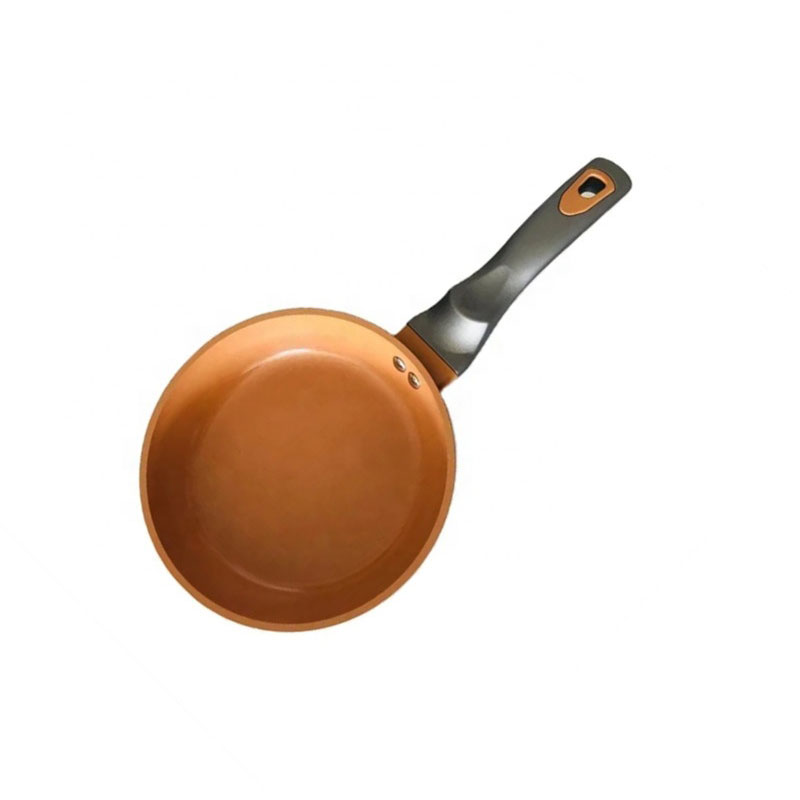
1. Understanding the 24 28 30cm Aluminum Non-stick Frying Pan
The term 24 28 30cm Aluminum Non-stick Frying Pan describes a cookware series or size range built around three common frying pan diameters: 24 cm, 28 cm, and 30 cm. These dimensions provide different cooking capacities while maintaining the same basic concept of aluminum construction and a non-stick cooking surface.
The 24 cm size is generally convenient for smaller meals, individual portions, eggs, pancakes, and quick frying tasks. The 28 cm size provides a useful balance between cooking area and maneuverability, making it a common everyday choice. The 30 cm size offers additional surface area for larger portions, family meals, vegetables, meat, or recipes that need more room.
For cookware buyers and distributors, offering several sizes under a consistent product series can also simplify product presentation and inventory planning. Customers can select the size that fits their household or cooking requirements without changing to an entirely different cookware design.
2. Why Is Aluminum Used for Frying Pans?
Aluminum is a popular cookware material because it combines relatively low weight with good thermal conductivity. This makes aluminum frying pans easy to handle while allowing heat to spread efficiently across the cooking surface when the pan is properly designed.
Efficient Heat Transfer
Aluminum transfers heat efficiently, helping the cooking surface respond relatively quickly to changes in burner temperature. This can be useful for frying, sautéing, reheating, and other everyday cooking techniques.
Lightweight Handling
Compared with many heavier cookware materials, aluminum pans can be easier to lift, move, and store. This matters particularly for users who cook frequently or operate kitchens where pans are handled repeatedly throughout the day.
Design Flexibility
Aluminum can be manufactured into different cookware shapes and thicknesses. Manufacturers can therefore develop frying pans with various wall profiles, bases, handles, and surface finishes according to the intended market.
Balanced Everyday Performance
A well-engineered aluminum pan can offer a practical balance between responsiveness, weight, cooking performance, and cost. However, performance depends on the complete construction rather than the base metal alone.
3. How Does a Non-stick Surface Improve Cooking?
The non-stick surface is one of the most important functional features of this type of frying pan. It is designed to reduce food adhesion during normal cooking, making it easier to turn food and clean the pan afterward.
Better Food Release
Eggs, pancakes, fish, vegetables, and other foods can be difficult to remove from ordinary cookware when the cooking temperature, oil level, or pan condition is not ideal. A suitable non-stick surface can make food release easier and reduce sticking during routine cooking.
Less Oil for Many Cooking Tasks
Because food is less likely to adhere strongly to the cooking surface, users may be able to prepare many recipes with less added cooking oil. The amount required still depends on the recipe and cooking method.
Easier Cleaning
A smooth non-stick surface can reduce the amount of residue that becomes firmly attached to the pan. This can shorten cleanup time, which is especially valuable for busy households and commercial kitchens.
Consistent Cooking Experience
A quality coating combined with an appropriate aluminum body can provide a predictable cooking surface. To preserve that performance, users should follow the manufacturer's recommendations concerning utensils, temperature, cleaning methods, and storage.
4. Understanding the 24cm, 28cm, and 30cm Sizes
The three sizes in a 24 28 30cm frying pan range can serve different cooking scenarios. Understanding their practical differences helps buyers avoid purchasing cookware that is either too small for regular meals or unnecessarily large for their needs.
| Pan Size | Typical Use | Main Advantage | Consideration |
|---|---|---|---|
| 24 cm | Small portions, eggs, pancakes, quick meals | Easy to handle and store | Limited cooking area for larger meals |
| 28 cm | Everyday family cooking and general frying | Balanced cooking area and maneuverability | Requires more storage space than a small pan |
| 30 cm | Large portions, meat, vegetables, family meals | More usable surface area | Can be heavier and may require a larger cooktop |
When a 24cm Pan Makes Sense
A 24 cm frying pan is useful when cooking smaller portions or when storage space is limited. It is also convenient for quick meals where a large cooking surface is unnecessary.
Why 28cm Is a Versatile Everyday Size
The 28 cm format provides a useful middle ground. It offers enough surface area for many household recipes without becoming as difficult to handle as some larger pans.
Where a 30cm Pan Adds Value
A 30 cm pan can be useful when cooking larger quantities or ingredients that need to remain spread across the cooking surface. It is particularly practical for family meals and recipes requiring more space for turning or arranging food.
5. Key Benefits for Home and Commercial Kitchens
Convenient Everyday Cooking
The combination of aluminum construction and non-stick performance is suitable for many everyday frying and sautéing tasks. Users can work with a responsive pan without dealing with the excessive weight associated with some heavier cookware.
Flexible Size Coverage
A three-size range makes it easier to match pan dimensions with meal quantities. A retailer or cookware brand can offer customers a compact option, a general-purpose option, and a larger cooking surface within the same product family.
Simplified Cleanup
Easier food release can reduce the effort needed to clean the cooking surface. This benefit becomes particularly noticeable when preparing foods that commonly stick, provided the pan is used and cleaned according to its care instructions.
Professional Appearance
A well-finished frying pan can contribute to a modern cookware collection. For brands and distributors, consistent handles, surface finishes, colors, and packaging can help create a coherent product range.
Useful for Different Customer Groups
The product range can serve households, apartment kitchens, catering businesses, restaurants, hospitality facilities, cookware retailers, and private-label brands.
- Suitable for routine frying and sautéing applications
- Relatively lightweight aluminum construction
- Non-stick cooking surface for easier food release
- Multiple size options for different meal quantities
- Potential for customized cookware programs
- Convenient cleaning and storage when properly maintained
6. How to Select the Right Pan for Your Application
Whether you are a household buyer, cookware distributor, restaurant operator, or purchasing manager, the right pan should be evaluated according to actual usage rather than appearance alone.
Consider the Cooking Quantity
Determine how much food will normally be prepared at one time. Smaller portions may work well with a 24 cm pan, while larger meals may benefit from the additional cooking area provided by a 28 cm or 30 cm model.
Check the Cooking Surface
Look at the usable base area rather than relying only on the outside diameter. Two pans with the same nominal diameter can have different cooking surfaces because of differences in wall angle and base design.
Evaluate Handle Design
A comfortable and secure handle is important for controlling the pan during cooking. Buyers should consider handle length, grip shape, attachment method, heat exposure, and overall balance.
Confirm Coating Requirements
If the pan will be used frequently, coating durability becomes an important purchasing consideration. Ask the supplier about the coating system, intended use, recommended temperature limits, and care instructions.
Consider Weight and Storage
A large pan may provide additional cooking space but can also require more storage room. For users who frequently move cookware between cooking stations, weight and balance should also be considered.
For B2B Buyers, Confirm Production Details
Commercial buyers should also review minimum order quantities, packaging specifications, customization capabilities, production consistency, inspection requirements, and delivery arrangements.
| Buyer Concern | What to Confirm | Why It Matters |
|---|---|---|
| Cooking performance | Material, thickness, base design | Influences heating and handling |
| Non-stick durability | Coating type and care requirements | Affects product service life |
| Usability | Handle shape, balance, weight | Influences everyday comfort |
| Retail requirements | Packaging, branding, labeling | Supports market presentation |
| Bulk purchasing | MOQ, lead time, inspection | Helps control supply-chain planning |
7. Cooktop Compatibility and Construction
Cooktop compatibility should be confirmed before purchase because not every aluminum frying pan is designed for every heating system. Traditional aluminum cookware is commonly used with gas and certain electric cooking systems, while induction cooking requires an appropriate magnetic base or construction.
Gas Cooktops
Gas burners provide direct flame and can heat cookware quickly. Users should select a pan with a stable base and avoid allowing flames to extend unnecessarily around the sides.
Electric Cooktops
A flat and stable base helps maintain good contact with many electric cooking surfaces. The pan specifications should be checked to confirm compatibility with the specific cooktop.
Induction Cooktops
Aluminum itself is not ferromagnetic, so a standard aluminum pan does not automatically work on induction. An aluminum frying pan intended for induction generally requires a suitable magnetic base or another compatible construction.
Base Construction Matters
The base is responsible for transferring heat from the cooking surface to the pan. Its thickness, structure, flatness, and compatibility with the cooktop can influence cooking performance and stability.
8. How to Maintain a Non-stick Frying Pan
Even a well-manufactured non-stick pan requires proper care. Good maintenance helps preserve the cooking surface and keeps the pan performing consistently.
Use Appropriate Utensils
Follow the manufacturer's instructions regarding utensils. Where recommended, silicone, wood, or other non-abrasive utensils can help reduce unnecessary scratching of the coating.
Avoid Excessive Heat
Non-stick cookware should be operated within the temperature limits specified by the manufacturer. Excessive heat can damage the coating or reduce its useful life.
Clean Gently
Allow the pan to cool appropriately and use cleaning methods recommended for the coating. Avoid abrasive pads or aggressive cleaning techniques unless specifically approved by the manufacturer.
Store Carefully
If pans are stacked, consider using a protective layer when recommended. This can reduce friction between cooking surfaces and help prevent unnecessary surface damage.
- Follow the manufacturer's temperature recommendations
- Use suitable cooking utensils
- Avoid abrasive cleaning tools
- Prevent unnecessary impact or scratching
- Store pans carefully when stacking
- Inspect the cooking surface periodically
9. Common Purchasing Problems and Practical Solutions
Problem: Choosing a Pan Based Only on Diameter
Nominal diameter does not tell the complete story. Buyers should also consider the usable cooking area, wall height, base construction, and overall dimensions.
Problem: The Pan Feels Unbalanced
Poor balance can make cooking uncomfortable. A suitable handle and well-distributed weight can improve control, particularly with larger 28 cm and 30 cm pans.
Problem: Non-stick Performance Declines Quickly
Premature coating wear can result from overheating, abrasive cleaning, inappropriate utensils, or unsuitable use. The coating specification and recommended care instructions should be reviewed before purchase.
Problem: The Pan Does Not Work on the Intended Cooktop
This is a common issue when cookware compatibility is not confirmed in advance. Always specify the required heating method when requesting product information.
Problem: Bulk Orders Do Not Match the Required Specifications
For B2B buyers, clear technical documentation is essential. Confirm dimensions, material, coating, handle design, packaging, tolerances, and inspection requirements before mass production.
10. Why Supplier Communication Matters for B2B Cookware Buyers
A frying pan may appear to be a simple product, but commercial cookware projects can involve many specifications. Retailers and importers need consistent products across production batches, while private-label customers may require specific sizes, colors, handles, packaging, and branding.
Clear communication at the beginning of a project helps reduce misunderstandings. Buyers should provide drawings, product references, dimensions, packaging requirements, target markets, and expected order volumes whenever possible.
Ningbo JAS Home Supplies Co., Ltd. provides cookware and home supply solutions for customers looking for practical products suited to different market requirements. For buyers evaluating aluminum non-stick frying pans, discussing the intended cooking application and product specifications with the manufacturer can help establish a more suitable configuration.
For private-label and wholesale projects, it is also useful to clarify packaging, logo application, product assortment, sample approval, production schedule, and quality inspection arrangements before confirming the final order.
11. Frequently Asked Questions
What are the main sizes in a 24 28 30cm Aluminum Non-stick Frying Pan range?
The range includes 24 cm, 28 cm, and 30 cm frying pans. These sizes provide different cooking areas for smaller portions, everyday meals, and larger family or commercial cooking tasks.
Which size is suitable for everyday cooking?
The 28 cm size is often a versatile general-purpose format because it provides a useful balance between cooking area and maneuverability. However, the best size depends on the user's meal quantities and cooking habits.
Why is aluminum commonly used for frying pans?
Aluminum is relatively lightweight and has good thermal conductivity. These characteristics make it suitable for cookware that needs efficient heat transfer without excessive weight.
What is the advantage of a non-stick cooking surface?
A suitable non-stick surface can make food release easier, reduce sticking during normal cooking, and simplify cleanup. Proper temperature control and cookware care are important for maintaining coating performance.
Can an aluminum non-stick frying pan be used on an induction cooktop?
Standard aluminum is not inherently magnetic, so compatibility depends on the pan's base construction. An aluminum pan designed for induction generally requires a suitable magnetic base. Always verify compatibility with the manufacturer.
How can I extend the life of a non-stick frying pan?
Use appropriate utensils, avoid excessive heat, clean the pan according to the manufacturer's instructions, and store it carefully to reduce scratching and unnecessary wear.
Are 30 cm frying pans suitable for large meals?
A 30 cm pan provides more cooking surface than smaller sizes and can be useful for larger portions, vegetables, meat, and recipes that require ingredients to be spread out. Users should also confirm that the pan fits their cooktop and storage space.
What should wholesale buyers ask a cookware manufacturer?
Buyers should confirm material, dimensions, coating specifications, handle construction, cooktop compatibility, packaging, customization options, minimum order quantity, production lead time, and quality inspection requirements.
Can the frying pan be customized for a private-label brand?
Customization possibilities depend on the manufacturer's capabilities and project requirements. Buyers can discuss branding, colors, handles, packaging, size combinations, and other product details during the quotation and development process.
What should I provide when requesting a quotation?
Provide the required pan sizes, estimated quantity, preferred material and coating requirements, cooktop compatibility, handle preferences, packaging needs, branding requirements, and target market. Detailed information helps the manufacturer provide a more accurate response.
12. Final Buying Considerations
A 24 28 30cm Aluminum Non-stick Frying Pan can provide a flexible cookware solution for different cooking quantities and customer needs. Aluminum construction offers useful characteristics such as relatively low weight and efficient heat transfer, while a properly manufactured non-stick surface can improve food release and simplify everyday cleaning.
The most suitable product should be determined by more than size. Buyers should evaluate pan construction, usable cooking area, coating requirements, handle design, base structure, cooktop compatibility, maintenance expectations, and intended application.
For wholesale and private-label customers, supplier reliability is equally important. Clear specifications, sample confirmation, production communication, packaging requirements, and quality checks can help reduce purchasing risks and maintain product consistency.
By evaluating these factors before ordering, cookware retailers, distributors, hospitality businesses, and household users can select frying pans that better match their practical requirements.
Looking for a Reliable Aluminum Non-stick Frying Pan Supplier?
Ningbo JAS Home Supplies Co., Ltd. provides cookware and home supply products for customers seeking practical and market-ready solutions. If you are sourcing 24 cm, 28 cm, or 30 cm aluminum non-stick frying pans for retail, wholesale, hospitality, or private-label applications, discussing your requirements with an experienced supplier can help you develop a more suitable product program.
You can visit Ningbo JAS Home Supplies Co., Ltd. to learn more about the company's product capabilities and home supply solutions.
Whether you need a standard cookware range or are developing a customized product for your market, share your required sizes, coating, handle, cooktop compatibility, packaging, and order quantity with the supplier. Contact us today to discuss your aluminum non-stick frying pan requirements and explore a suitable cookware solution.
Explore Ningbo JAS Home Supplies Co., Ltd.Product specifications, coating systems, cookware dimensions, handle designs, and cooktop compatibility may vary by model. Always follow the manufacturer's instructions for safe use, cleaning, temperature limits, and applicable cooking surfaces.