
How Do CPLA Lunch Boxes Improve Sustainable Food Packaging?
2026-05-29
As businesses and consumers look for safer and more sustainable food packaging solutions, CPLA lunch boxes have become an increasingly popular choice in the food service industry. These eco-conscious containers combine durability, heat resistance, and compostable properties, making them ideal for restaurants, takeout services, catering companies, schools, and corporate dining operations.
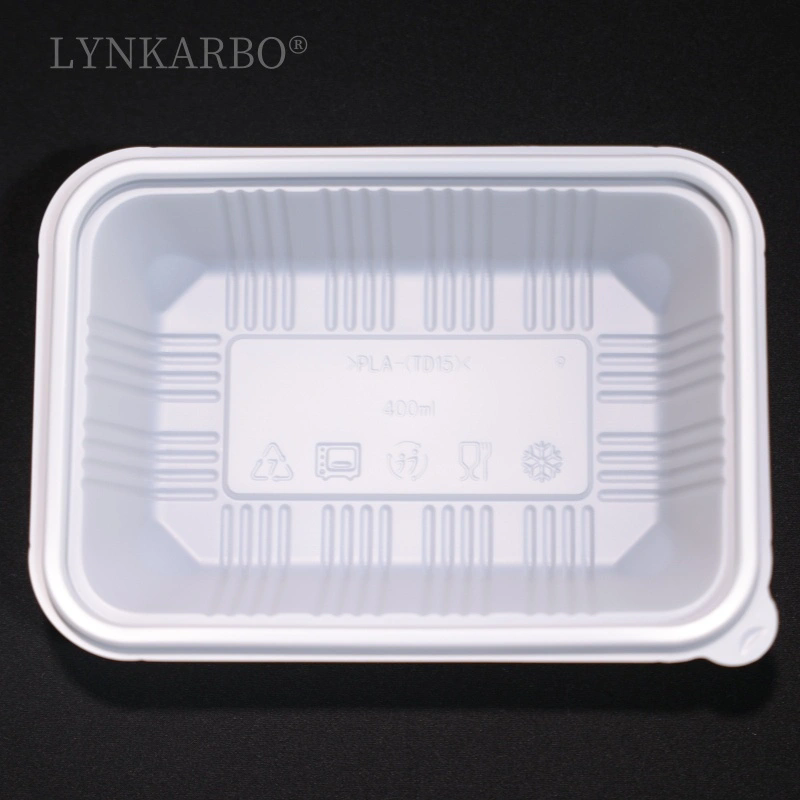
Table of Contents
What Are CPLA Lunch Boxes?
CPLA lunch boxes are food containers manufactured from crystallized polylactic acid, a bio-based material derived primarily from renewable plant resources such as corn starch. Compared with standard PLA materials, CPLA offers enhanced heat resistance and improved structural stability, making it suitable for hot food packaging applications.
Unlike traditional petroleum-based plastics, CPLA materials are designed to reduce dependence on fossil resources while supporting commercial compostability under industrial composting conditions.
Modern food businesses increasingly use CPLA lunch boxes because they provide a balance between performance, food safety, and sustainability. These containers are commonly used for:
- Takeout meals
- School lunches
- Airline catering
- Corporate meal services
- Fast-food packaging
- Restaurant delivery operations
- Meal prep businesses
How Do CPLA Lunch Boxes Work?
CPLA lunch boxes work by combining biodegradable plant-based polymers with a crystallization process that improves thermal resistance and rigidity. During manufacturing, PLA resin undergoes controlled crystallization, allowing the finished product to tolerate higher temperatures than regular PLA packaging.
This structural enhancement helps the containers maintain their shape when holding warm or oily foods. The result is packaging that performs similarly to conventional plastic containers while offering reduced environmental impact.
Most CPLA lunch boxes feature:
- Leak-resistant compartment designs
- High-temperature tolerance
- Strong lid sealing performance
- Oil and moisture resistance
- Smooth food-grade surfaces
- Stackable structures for transport efficiency
Because of these characteristics, food operators can package hot meals securely without sacrificing convenience or presentation quality.
Main Benefits of CPLA Lunch Boxes
- Reduced Environmental Impact: Made from renewable resources rather than petroleum-based plastics.
- Commercial Compostability: Many products are designed to break down in industrial composting environments.
- Excellent Heat Resistance: Suitable for hot meals and microwave-friendly food service applications.
- Professional Food Presentation: Clean designs improve customer perception and brand image.
- Strong Structural Integrity: Durable enough for transportation and delivery services.
- Food Safety Compliance: Typically manufactured to meet food-contact safety standards.
- Consumer Preference: Increasing numbers of customers prefer environmentally responsible packaging options.
CPLA vs Traditional Plastic Packaging
| Feature | CPLA Lunch Boxes | Traditional Plastic Containers |
|---|---|---|
| Raw Material | Plant-based renewable resources | Petroleum-based materials |
| Heat Resistance | High | Moderate to high |
| Compostability | Industrial composting compatible | Usually non-compostable |
| Appearance | Premium matte finish | Varies by material |
| Consumer Perception | Eco-friendly image | Traditional packaging image |
| Application Range | Hot and cold foods | Hot and cold foods |
Industries Using CPLA Lunch Boxes
CPLA lunch boxes are now widely adopted across multiple sectors because of their versatility and reliable food packaging performance.
Common industries include:
- Restaurants: For takeaway and delivery meal packaging.
- Food Trucks: Lightweight and durable containers improve operational convenience.
- Airline Catering: Heat-resistant properties help maintain food quality.
- Educational Institutions: Schools and universities increasingly choose compostable packaging.
- Corporate Cafeterias: Sustainable dining initiatives encourage eco-friendly packaging use.
- Meal Prep Services: Leak-resistant compartment designs support organized meal storage.
- Event Catering: Professional appearance enhances customer presentation.
As environmental regulations continue evolving worldwide, many businesses are proactively transitioning toward sustainable food packaging systems to improve compliance and strengthen brand reputation.
How to Select the Right CPLA Lunch Boxes
Choosing suitable CPLA lunch boxes requires evaluating operational requirements, food types, transportation conditions, and customer expectations.
Important purchasing factors include:
- Container size and compartment configuration
- Lid sealing performance
- Heat tolerance requirements
- Microwave compatibility
- Stackability for storage efficiency
- Brand customization options
- Supply chain stability
- Food safety certifications
Businesses handling oily or sauce-heavy meals should prioritize reinforced leak-resistant designs. Delivery-focused operations may also require stronger structural durability for long-distance transportation.
Common Mistakes Buyers Should Avoid
Many buyers focus only on price while overlooking critical performance factors. This often results in packaging failures, customer complaints, or increased operational costs.
Common purchasing mistakes include:
- Selecting containers without verifying heat resistance specifications
- Ignoring sealing performance for liquid foods
- Using oversized containers that increase shipping costs
- Failing to test packaging under real transportation conditions
- Choosing suppliers with inconsistent quality control
- Not evaluating storage requirements and stack efficiency
Conducting real-world application testing before bulk purchasing can significantly reduce operational risks.
Future Trends in Compostable Food Packaging
The global packaging industry continues shifting toward renewable and compostable materials. As governments implement stricter waste reduction policies and consumers become more environmentally conscious, demand for CPLA lunch boxes is expected to increase steadily.
Future product innovations may include:
- Lighter but stronger material formulations
- Enhanced composting performance
- Improved barrier protection
- Smart packaging integration
- Expanded customization capabilities
- Lower manufacturing emissions
Businesses adopting sustainable packaging early can improve market competitiveness while responding to evolving customer expectations.
FAQ
Are CPLA lunch boxes safe for hot food?
Yes. CPLA lunch boxes are specifically designed to withstand higher temperatures compared with standard PLA products, making them suitable for hot meals.
Can CPLA lunch boxes be microwaved?
Many CPLA products are microwave compatible for short heating periods, but users should always confirm product specifications from the manufacturer.
Are CPLA lunch boxes compostable?
Most CPLA lunch boxes are commercially compostable under industrial composting conditions.
Do CPLA containers leak easily?
High-quality CPLA lunch boxes are engineered with reinforced structures and secure lid systems to minimize leakage risks.
Why are businesses switching to CPLA packaging?
Businesses increasingly choose CPLA packaging to improve sustainability efforts, comply with regulations, and meet consumer demand for environmentally responsible products.
Conclusion
CPLA lunch boxes provide an effective balance between durability, heat resistance, operational convenience, and sustainable packaging performance. As the food service industry continues evolving, more businesses are adopting compostable packaging solutions to improve customer satisfaction and reduce environmental impact.
Reliable packaging directly affects food quality, transportation safety, and brand perception. Choosing the right CPLA lunch boxes can help businesses improve operational efficiency while supporting long-term sustainability goals.
LYNKARBO specializes in high-quality compostable food packaging solutions designed for modern food service applications. If you are looking for durable and sustainable CPLA lunch boxes for your business, please contact us for more product information and customized packaging support.