

Compostable Functional Paper Plates vs. Recyclable Plates: Key Differences
2025-12-05
In the world of sustainable tableware, choosing between compostable functional paper plates and recyclable plates is a decision that affects both environmental impact and user experience. Our factory specializes in developing high-quality disposable plates that meet international standards, and we work closely with clients to provide solutions for catering, events, and commercial use. At Everglory Products Corporation, our approach balances environmental responsibility with durability and cost-effectiveness. Understanding the key differences helps buyers make informed choices for their specific applications.
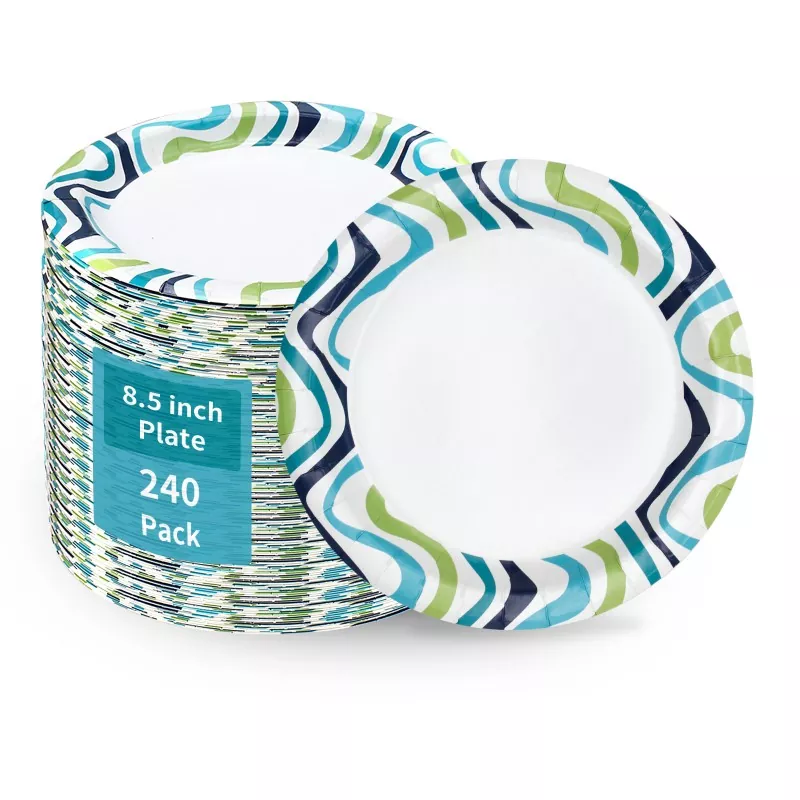
What Are the Primary Material Differences Between Compostable and Recyclable Plates?
Compostable plates are typically made from natural fibers such as sugarcane bagasse, bamboo pulp, or wheat straw. These materials are designed to break down in industrial composting conditions, returning nutrients to the soil. Recyclable plates, on the other hand, are often produced from paperboard with a thin polyethylene coating or other polymer layers, which can be processed in recycling streams but do not degrade naturally.
Our factory ensures that all Functional Paper Plates intended for composting meet certification standards for biodegradability. At Everglory Products Corporation, our team tests the fiber content, thickness, and coating to optimize both strength and environmental performance. Recyclable plates are evaluated for recyclability under local municipal guidelines, ensuring that they meet the necessary collection and processing requirements.
How Does Plate Durability Compare in Everyday Use?
Durability is a critical factor when choosing between compostable and recyclable options. Compostable Functional Paper Plates are engineered to withstand moderate heat and moisture without sagging or leaking, which makes them suitable for a wide range of foods including hot entrees and desserts. Recyclable plates provide good rigidity but may require careful handling when exposed to liquids for extended periods due to the polymer coating.
Below is a table comparing typical specifications of each type of plate from our factory:
| Plate Type | Material Composition | Heat Resistance | Moisture Handling |
| Compostable Functional Paper Plates | Sugarcane bagasse / bamboo pulp | Up to 220°F | Good for liquids up to 15 minutes |
| Recyclable Plates | Paperboard with polymer coating | Up to 180°F | Moderate, may weaken with prolonged exposure |
What Environmental Considerations Should Be Taken Into Account?
Compostable plates offer a clear environmental benefit in that they can be returned to composting facilities and decompose into organic matter within a few months. Recyclable plates reduce landfill waste but often require specialized sorting and processing. Our factory evaluates the full lifecycle of Functional Paper Plates, from raw material sourcing to end-of-life disposal. At Everglory Products Corporation, we provide guidance to customers to ensure that the chosen plate type aligns with local waste management infrastructure and sustainability goals.
Additionally, production energy use, water consumption, and emissions are considered in our material selection. Compostable plates produced from by-products such as bagasse utilize renewable resources and reduce waste from sugar production, while recyclable plates depend on paperboard manufacturing processes and coating materials.
What Are the Key Performance Characteristics for Functional Paper Plates?
Performance characteristics such as stiffness, heat retention, moisture resistance, and stackability are critical for end-user satisfaction. Compostable plates are designed with fiber density and molding techniques to maintain shape under hot foods. Recyclable plates achieve rigidity primarily through board thickness and coating consistency.
The following table highlights comparative performance metrics of Functional Paper Plates from our production line:
| Feature | Compostable Plates | Recyclable Plates | Recommended Use |
| Stiffness | High | Moderate to High | Suitable for main courses and appetizers |
| Moisture Resistance | Excellent for short-term use | Moderate, may require napkins | Best for dry or semi-liquid foods |
| Heat Retention | Good | Moderate | Hot foods up to 15 minutes |
| Stackability | High | High | Easy storage and transport |
FAQ: Compostable Functional Paper Plates vs. Recyclable Plates: Key Differences
Q1: Which plate type is better for large catering events?
For large catering events, compostable plates are preferred if proper composting facilities are available, as they reduce landfill impact. Recyclable plates are acceptable in areas with reliable recycling systems but may require additional handling to ensure proper sorting.
Q2: How does the environmental impact compare over the product lifecycle?
Compostable plates decompose naturally and return to the soil, minimizing environmental footprint. Recyclable plates reduce raw material use but depend on energy-intensive recycling processes. Our factory provides lifecycle assessments to help clients understand the full impact of their choice.
Q3: Are there significant differences in durability between the two types?
Compostable Functional Paper Plates maintain stability under heat and moisture for typical meal durations, while recyclable plates may soften over time. Our engineers test both plate types to ensure they meet user expectations for stiffness, moisture handling, and stackability.
Conclusion
Choosing between compostable Functional Paper Plates and recyclable plates requires consideration of materials, performance, environmental impact, and cost. Our factory focuses on producing high-quality, reliable plates that meet the demands of commercial and catering applications. At Everglory Products Corporation, we provide expert guidance to help buyers select the most appropriate solution for their needs. If you are planning an event, upgrading your disposable tableware, or seeking sustainable alternatives, contact our technical team today to explore our Functional Paper Plates offerings and optimize your operations.